

Synthesizers
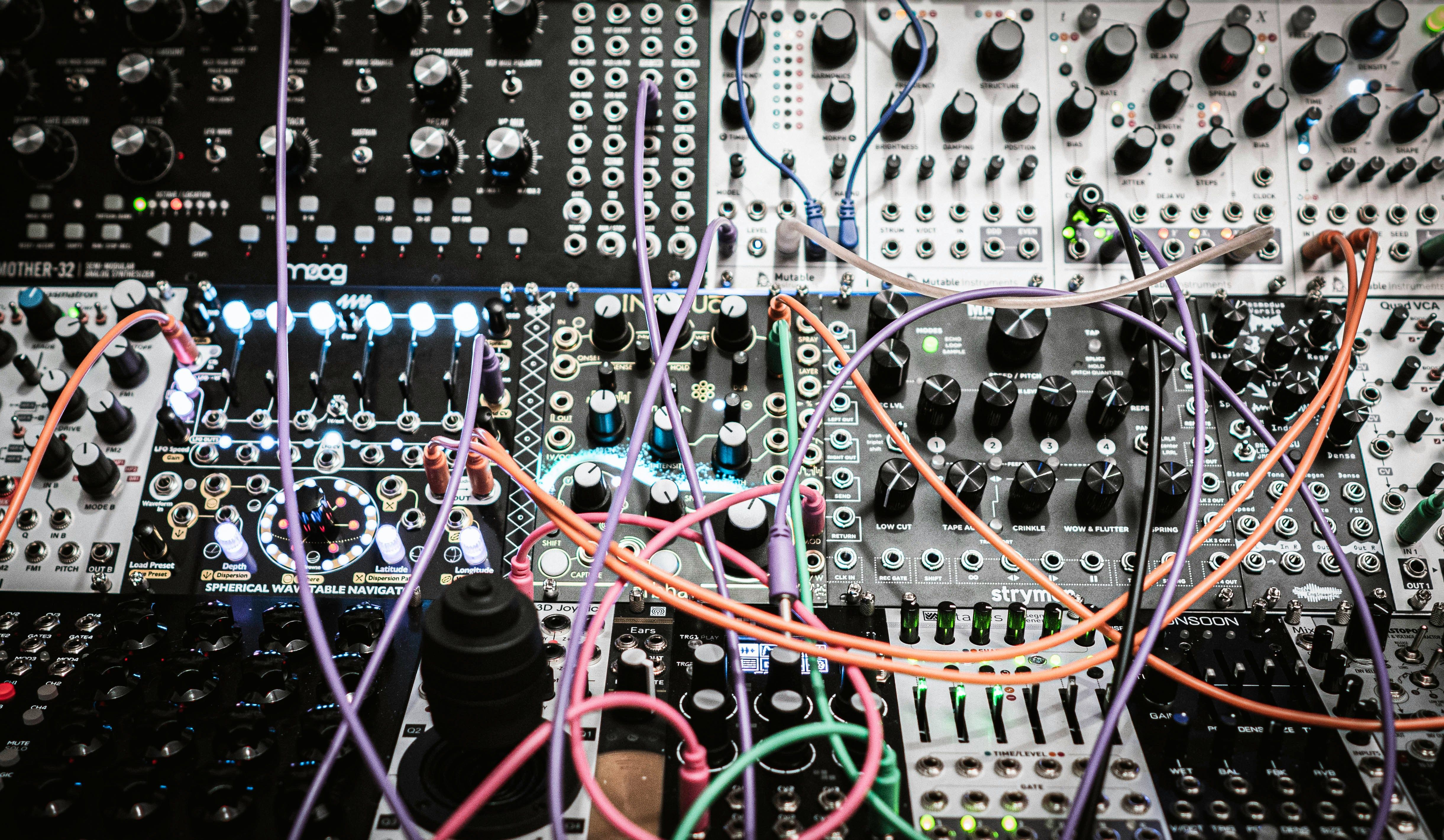
Synthesizers create sound from electricity using a series of modules to generate, modulate, filter, effect, and amplify an electrical signal. Modular synths allow users to 'patch' between these elements freely, while all-in-one synths 'normal' typical signal paths between a curated series of modules to facilitate faster sound design.
Synthesizers have existed since the early 20th century, but the Moog and Buchla modular systems released in the 1960s brought sound synthesis to consumers for the first time. Even with the advent of digital synthesis in the 1980s and the myriad of new synthesis types available to modern music makers, that original '60s design language has remained consistent to this day.
Want to know which synthesis type is for you? Check out our Synthesis Type article.
- $ Min$ Max
Need Help Choosing Your Next Synth?
Subtractive, FM, wavetable, granular - there's a lot of ground to cover. Our guide to synthesis types breaks down every major category: what each type does, what it's best at, and which synth to reach for if you want to try it. It's a good place to start if you're picking your first synth or adding a new colour to your setup.