What Is Subtractive Synthesis?
Subtractive synthesis takes a harmonically rich waveform and removes frequencies using a filter, then shapes the volume over time with an amplifier. It's the most common type of synthesis on the market, making up around 80% of synths sold today.
This simple idea is great for tones with a strong fundamental frequency, which makes it a natural fit for playing melodies and chords. Things get more interesting once you start stacking multiple oscillators, switching filter types, and routing in different modulation sources.
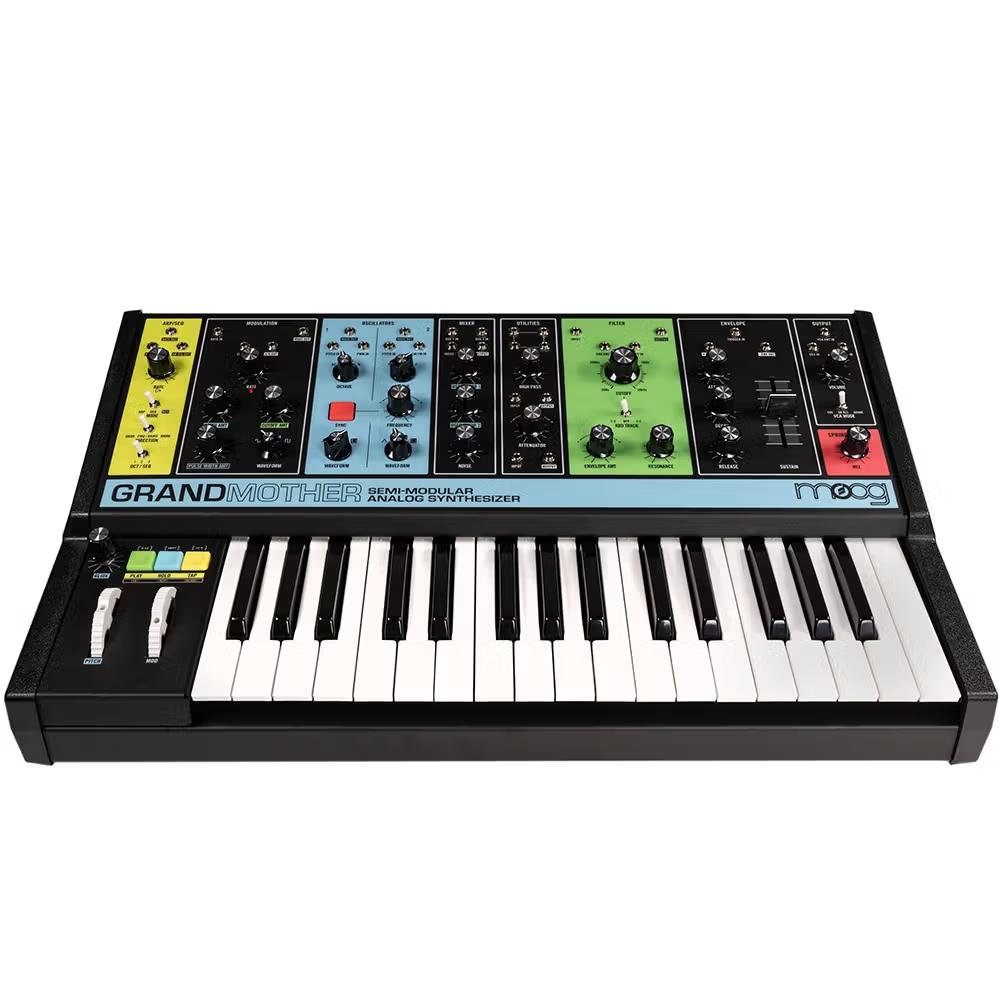
The Moog Grandmother is a future classic and the perfect gateway into subtractive synthesis, the Moog sound, and the wider modular ecosystem.
What Is West Coast Synthesis?
West Coast synthesis runs a simple waveform through a waveshaper to build up complex harmonics, using a low pass gate instead of a standard filter and amplifier. A low pass gate tapers off high frequencies as the signal gets quieter, which is what gives West Coast synths their distinctive plucked and percussive character.
West Coast instruments typically skip the keyboard in favour of expressive pads and sequencers. Combined with the waveshaper and low pass gate, these techniques are perfect for natural, plucked, and percussive sounds. Sequencing and modulating the voltages in a patch is a quick way to create controlled chaos.
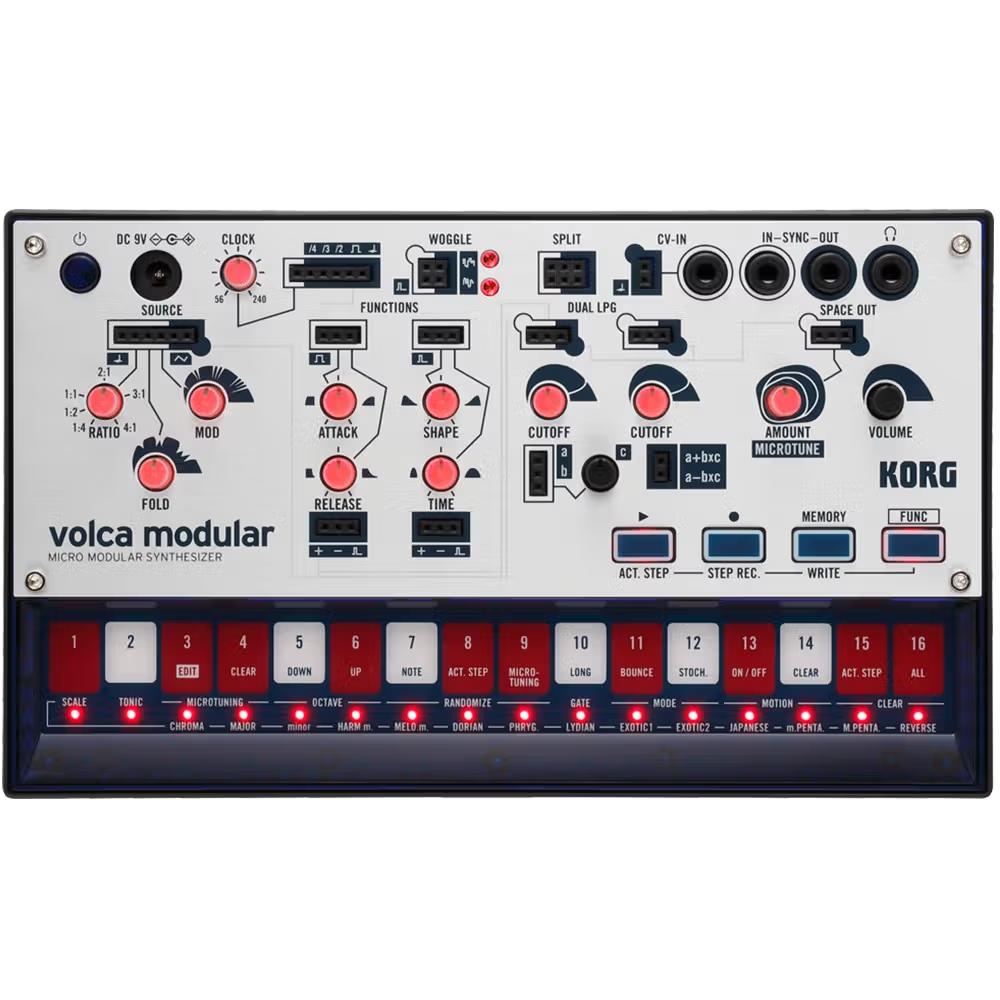
Don Buchla invented West Coast synthesis, and the Korg Volca Modular puts that sound and workflow within easy reach, no patch cables or big budget required.
What Is FM Synthesis?
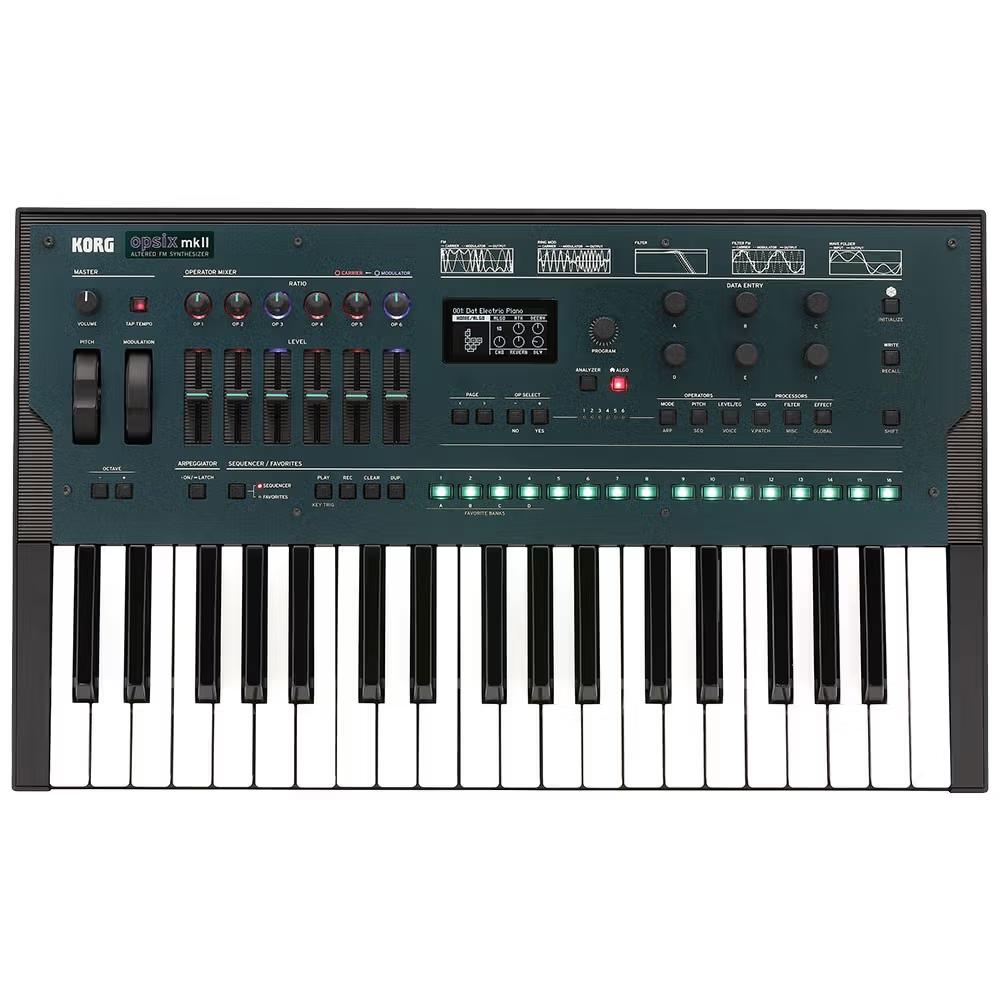
FM synthesis starts with a pure sine wave (the carrier) and modulates it with a second, inaudible sine wave (the modulator), and the frequency relationship between the two creates new harmonics. That's where the name "frequency modulation" comes from.
By chaining multiple carriers and modulators together, FM synthesis can produce a huge range of complex sounds. It's particularly good at glassy leads, booming kick and bass tones, and metallic percussion. The catch is that small changes to an operator's frequency can take a patch from musical to unrecognisable, which is why FM tends to suit pre-programmed patches more than on-the-fly tweaking.
The Korg opsix is a compact powerhouse built around six-operator "Altered" FM, expanding on the classic frequency modulation formula.
What Is Wavetable Synthesis?
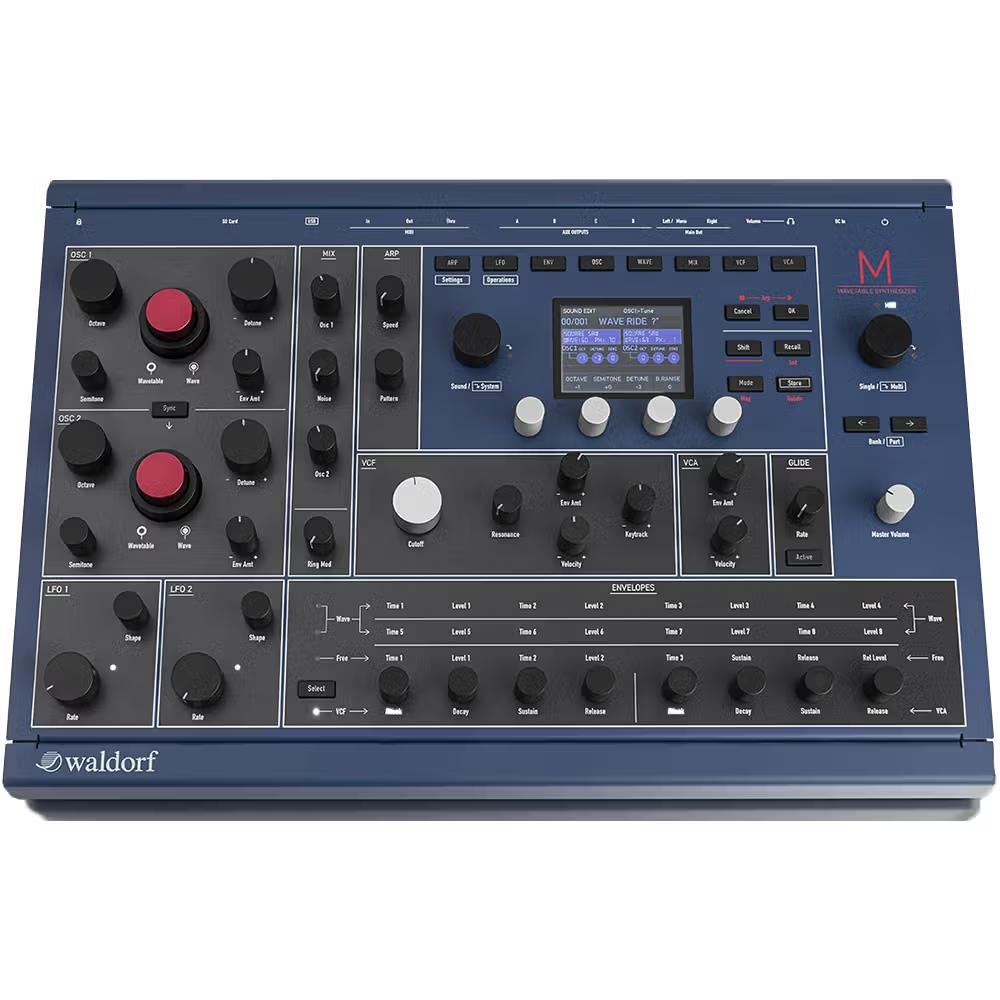
Wavetable synthesis plays through a sequence of single-cycle waveforms, usually morphing smoothly from one to the next, which gives the sound a constant sense of movement. Because the waveform itself is always changing, wavetable synths have a built-in sense of motion that other synthesis types need extra modulation to achieve.
Loading your own waveforms or tables makes wavetable synthesis incredibly versatile. It particularly shines on evolving pads and textures that would be difficult to create any other way.
The Waldorf M is a modern take on classic wavetable synthesis, combining digital versatility with analogue warmth in a desktop unit.
What Is Granular Synthesis?
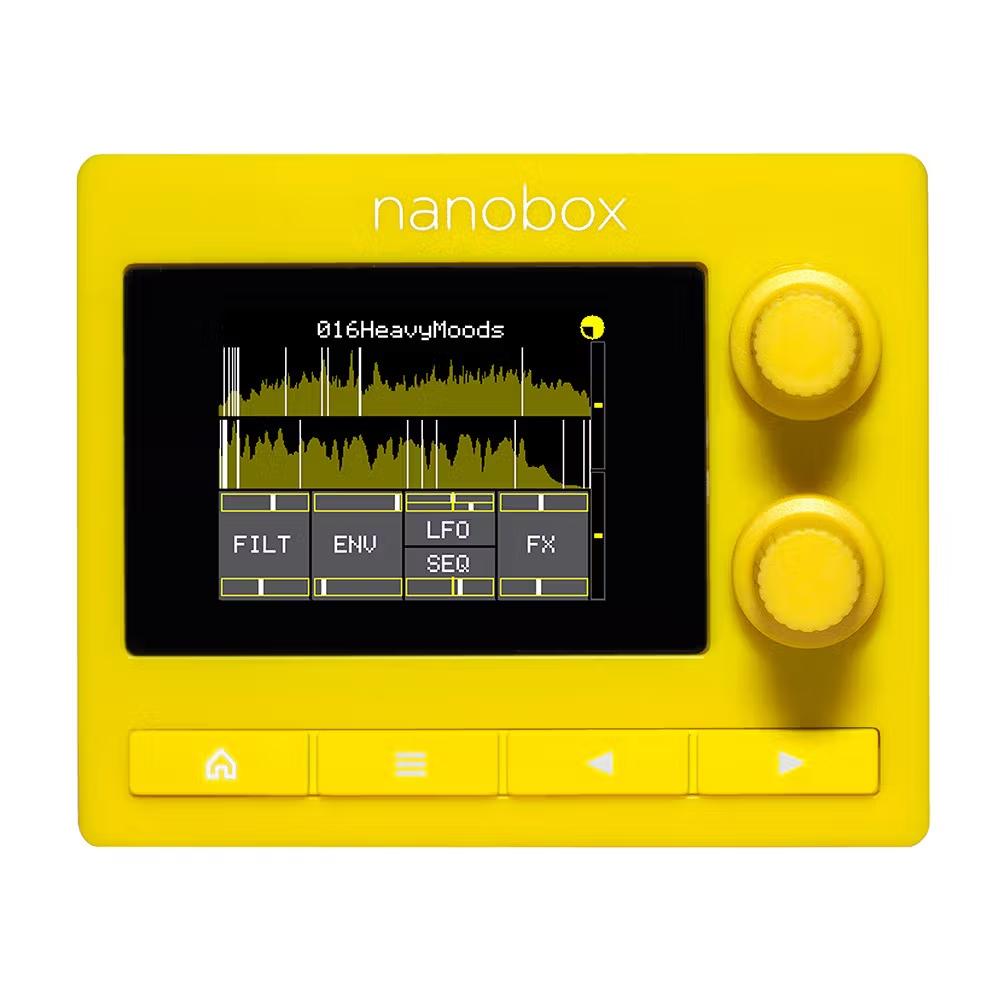
Granular synthesis breaks a sample down into tiny "grains," which are then layered and smeared across a sonic canvas. Changing the size, density, and source position of the grains creates a near-infinite range of textures from a single recording.
This type of synthesis is excellent for vivid pads and sound effects, even before you reach for filters, delay, or reverb. A good granular synthesiser earns its place in the kit bag of any sound designer or film composer.
The 1010music Lemondrop packs 4-voice polyphonic granular synthesis into a pocket-sized desktop unit, with a touchscreen that makes slicing, scanning, and reshaping samples properly intuitive. Shop the 1010music Lemondrop, or talk to our team in store about other granular options.
What Is Physical Modelling Synthesis?
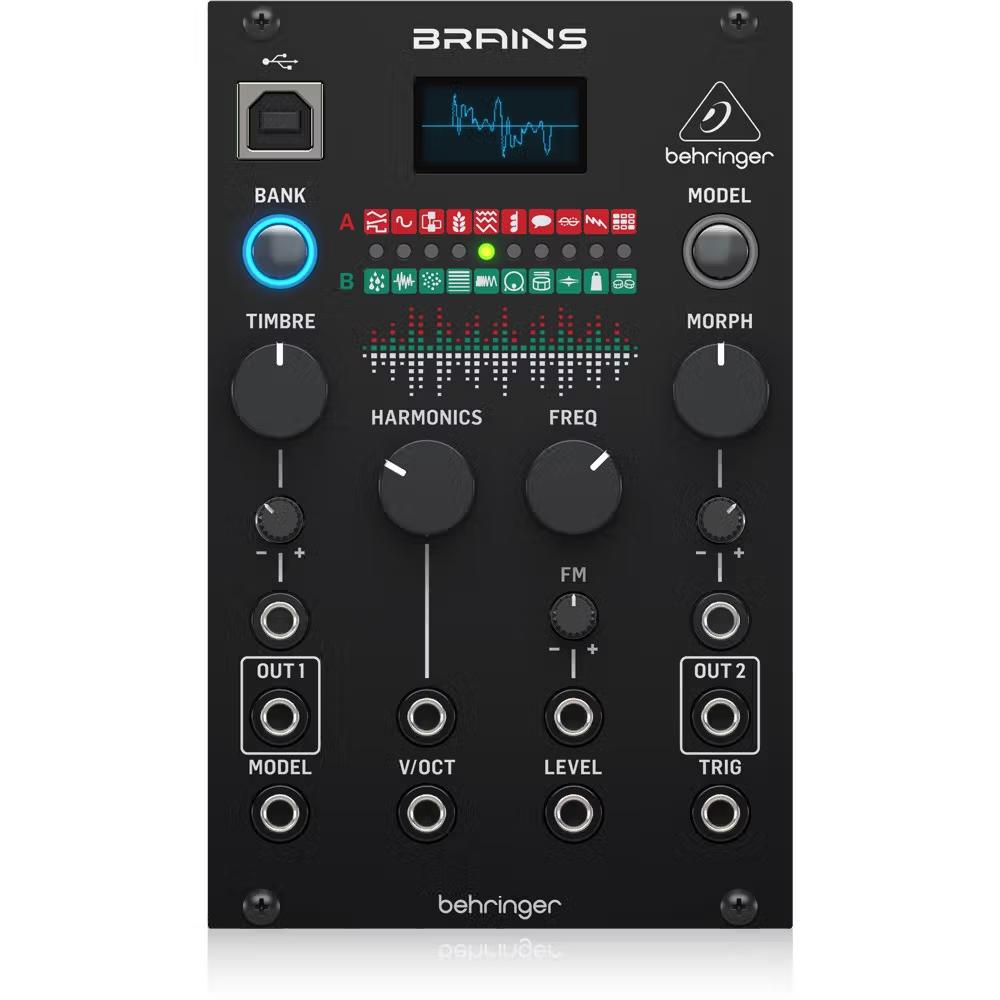
Physical modelling synthesis simulates the component parts of real-world instruments, typically combining a virtual "exciter" (bowing, blowing, striking) with a virtual "resonator" (strings, tubes, membranes, plates). The result is a sound that closely resembles a traditional instrument, built entirely from simulated physics rather than samples.
Because every part of the instrument is modelled, you get detailed control for nailing a specific sound or building an entirely new one. Physical modelling synths are at their best creating percussion that bears an uncanny, yet hard to pin down, resemblance to the real thing.
The Behringer Brains is based on the Mutable Instruments Plaits and covers just about every synthesis base, physical modelling included.
What Is Additive Synthesis?
Additive synthesis builds a tone by adding sine waves together, based on the idea that every sound is a collection of harmonic and inharmonic overtones (Fourier theory). Each of these "partials" has its own frequency and amplitude, changing over time in unique ways to create the sounds we hear around us.
There are few dedicated additive synths on the market today, but you can recreate the technique in your sampler or DAW by modulating and mixing sine waves directly.
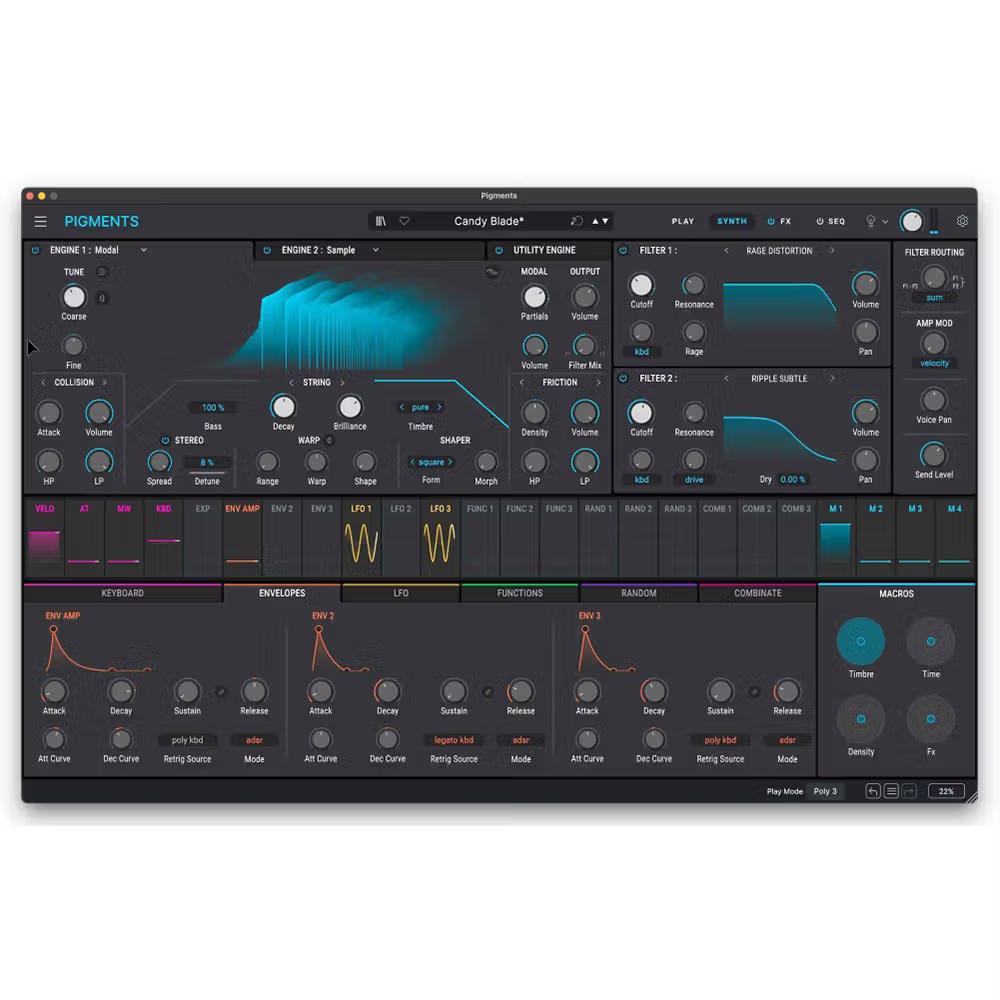
Arturia's Pigments 7 is a state-of-the-art software instrument that gives you control over every shade of synthesis, including a Harmonic Oscillator additive engine.
What Is Vector Synthesis?
Vector synthesis places two or more waveforms at the corners of a two-dimensional plane, then crossfades between them using a joystick or other modulation source. It's been largely overshadowed by the flexibility and morphing power of wavetable synthesis, but it's found a lasting home as a way of mixing oscillators, modulation sources, and amplifier outputs.
Even on its own, vector synthesis is an intuitive and tactile way to control other sound sources.
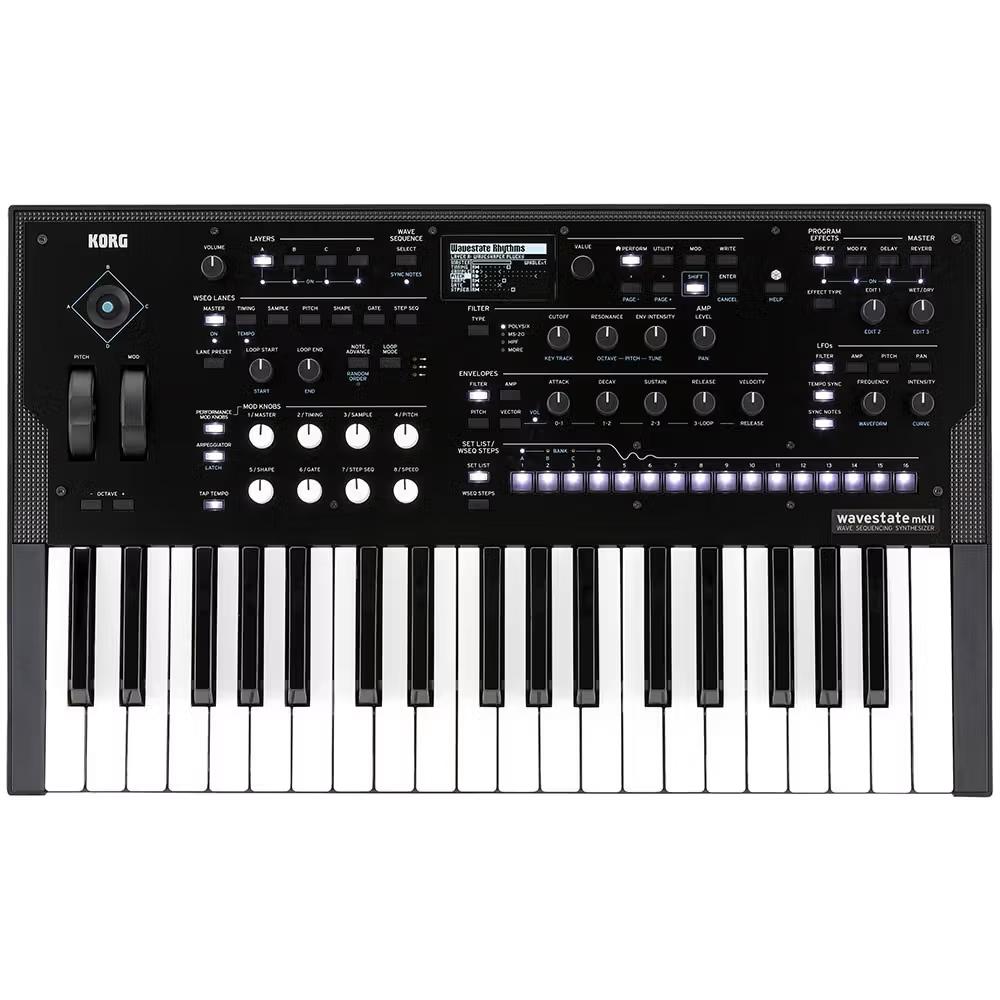
The Korg WaveState combines wave sequencing with a vector joystick for hands-on manipulation, making for an inspiring take on hybrid synthesis.
What Is Feedback Synthesis?
Feedback synthesis patches the output of a circuit back into its own input, creating a feedback loop that progressively amplifies and transforms the original signal. "No input mixing" is the most common form, using the sends, returns, and channels of a mixer to turn the inherent noise of its analogue circuit into a recognisable tone.
Careful tweaking of gain, EQ, and effects in the signal chain can turn feedback synthesis into a genuine feat of avant-garde creation. Just remember that any feedback loop is only ever one knob twist away from a screaming, grinding apocalypse.
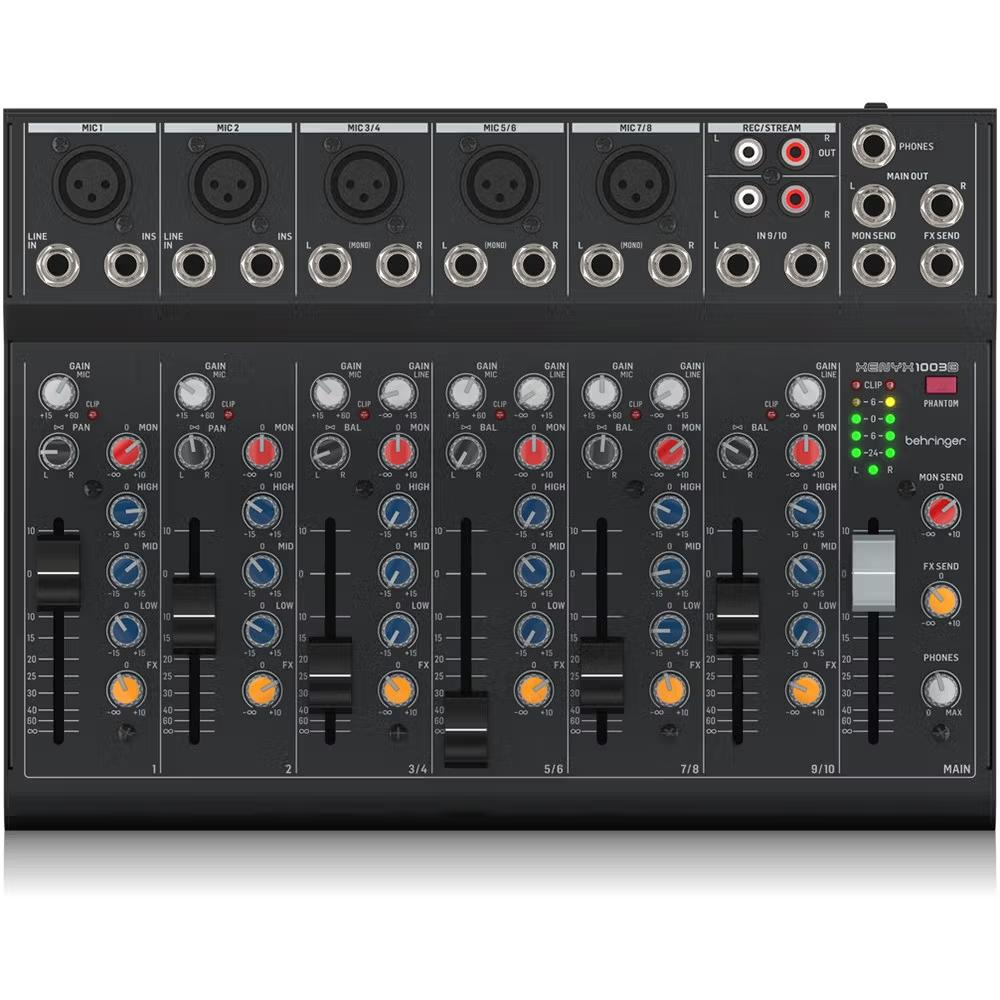
The Behringer Xenyx 1003B has four balanced, high-headroom stereo inputs, which makes it a solid base for a no input mixing setup with outboard effects.
Is Sampling a Type of Synthesis?
Sampling isn't technically synthesis, but modern samplers apply the same building blocks (filters, amplifiers, modulation) to recorded sounds rather than generated waveforms. Short samples get looped into longer tones, long samples get cut to size with envelopes, and even non-musical material can be sliced and sequenced until it becomes an instrument in its own right.
This approach is great for taking real-world recordings that would be difficult to synthesise from scratch, then processing them into sounds that feel both immediately familiar and eerily hard to define.
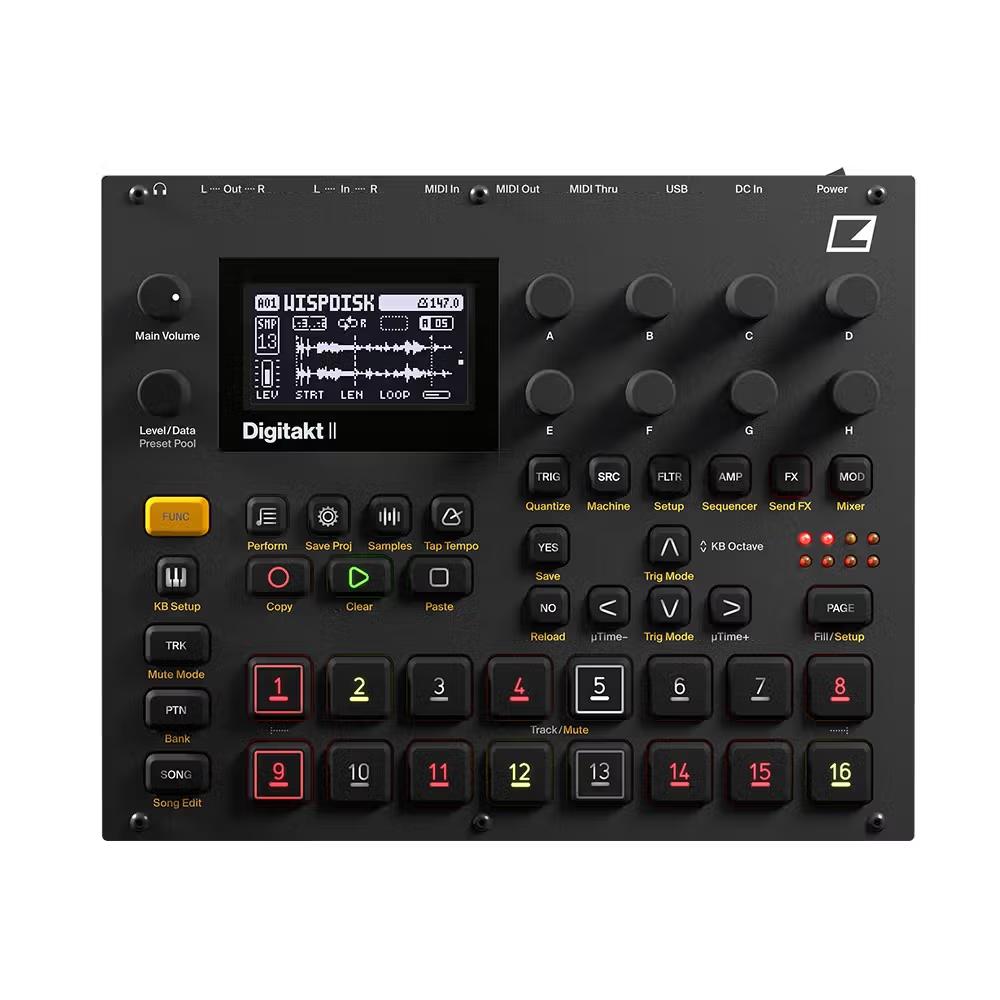
The Elektron Digitakt 2 is a stripped-back drum machine and sampler built to mutate and propagate your audio samples into fresh sounds.
Frequently Asked Questions
Subtractive synthesis is the easiest starting point. The signal path (oscillator, filter, amplifier) is simple to understand, and most beginner-friendly synths, including the Moog Grandmother, are built around it
Subtractive synthesis removes frequencies from a rich waveform using a filter. FM synthesis adds frequencies by modulating one sine wave with another. Subtractive is generally easier to tweak by ear; FM rewards pre-programmed patches.
Wavetable and granular synthesis are both strong choices for evolving pads. Wavetable morphs between waveforms for smooth, ongoing movement, while granular rebuilds textures from tiny fragments of a sample for a more organic, less predictable result.
Most synthesis types are available in both hardware and software. Additive synthesis is the exception worth noting, as dedicated hardware is rare and software like Arturia Pigments 7 is usually the more practical route.
Subtractive synthesis, by a wide margin. It makes up around 80% of synthesisers on the market, which is why it's the default starting point for most players.
Analogue synths generate sound using real electrical circuits, which gives them a warm, slightly unpredictable character. Digital synths generate sound mathematically, which gives them precision and access to synthesis types (like FM, wavetable, and granular) that are difficult or impossible to build in analogue circuitry.
Subtractive synthesis is approachable within an afternoon, since it's just an oscillator, a filter, and an amplifier. Types like FM and additive synthesis have a steeper learning curve, simply because the relationship between what you tweak and what you hear is less direct.
There are even more exotic types of synthesis than the 11 covered here, and new approaches keep finding their way into approachable desktop and keyboard units. Synthesis type is only half the story though - going analogue, digital, or modular changes how hands-on the process feels too. If you want help matching a synth to your workflow, talk to our synth specialists in-store or online about bringing your sound to life.
Find your synthesis type
As you can see, there are myriad ways to synthesise sounds, and even more exotic types than these are slowly finding their way into approachable desktop and keyboard synths. Whether you're drawn to the raw simplicity of subtractive, the plucky chaos of West Coast, the bell-like bite of FM, or the surgical precision of spectral tools, the right synthesis type is the one that gets you making the sounds in your head. Shop the full range of synthesizers at Mannys, or talk to our team in store if you're not sure where to start.