

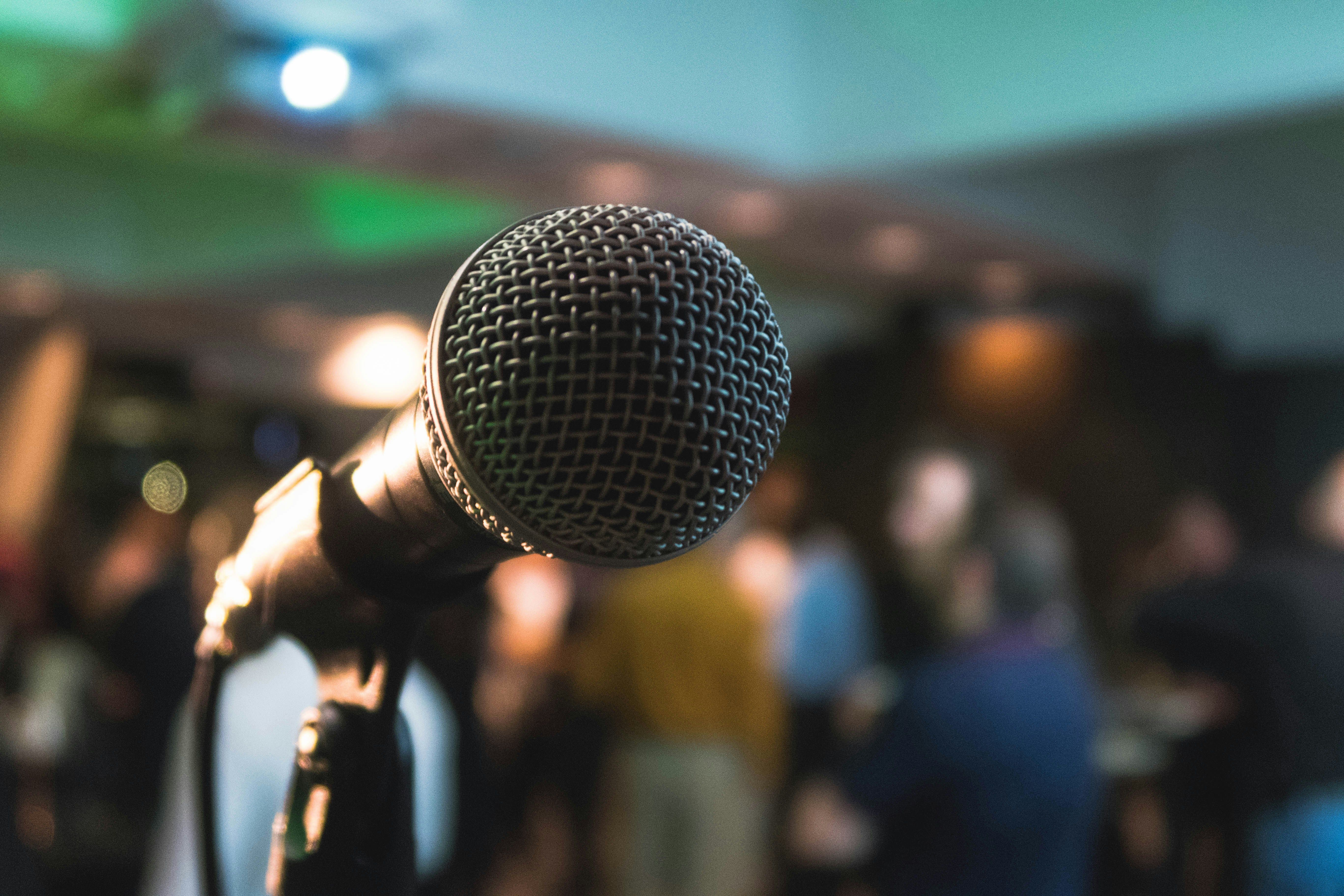
The microphone type you choose shapes everything downstream, from how much gain you need to how forgiving your room has to be. A home studio, a podcast rig, and a live gig all put different demands on a mic. Below, we break down each type, what it's best at, and which mic to reach for if you want to try it.
Microphone Types at a Glance
| Microphone Type | Best For | Handles Loud Sources? | Needs Phantom Power? | Example Mic |
|---|---|---|---|---|
| Dynamic | Live vocals, podcasting, loud instruments | Excellent | No | Shure SM7B |
| Condenser | Studio vocals, acoustic instruments, detail | Good with a pad | Yes | Rode NT1 Signature Series |
| Ribbon | Smooth, warm tone on brass and vocals | Fair, needs care | No (some active models do) | Mannys' ribbon microphone range |
| USB | Podcasting, streaming, no interface needed | Good | N/A (built-in) | Rode NT-USB Mini |
| Lavalier | Hands-free speech, presentations, video | Good | Varies by model | Rode Lavalier II |
| Shotgun | Directional pickup for film and video | Good | Yes (most models) | Rode NTG5 |
What Is a Dynamic Microphone?
A dynamic microphone uses a diaphragm attached to a coil of wire, suspended in a magnetic field, to convert sound directly into an electrical signal. That mechanism is simple and rugged, which is why dynamic mics are the workhorses of live sound, podcasting, and anywhere a microphone needs to survive being handled, dropped, or shouted into.
Because they don't need external power to operate, dynamic mics are forgiving of untreated rooms and background noise. They also handle high sound pressure levels without distorting, which makes them the standard choice for live vocals, guitar cabs, and drum close-miking. The trade-off is less fine detail and high-frequency sparkle compared to a condenser.
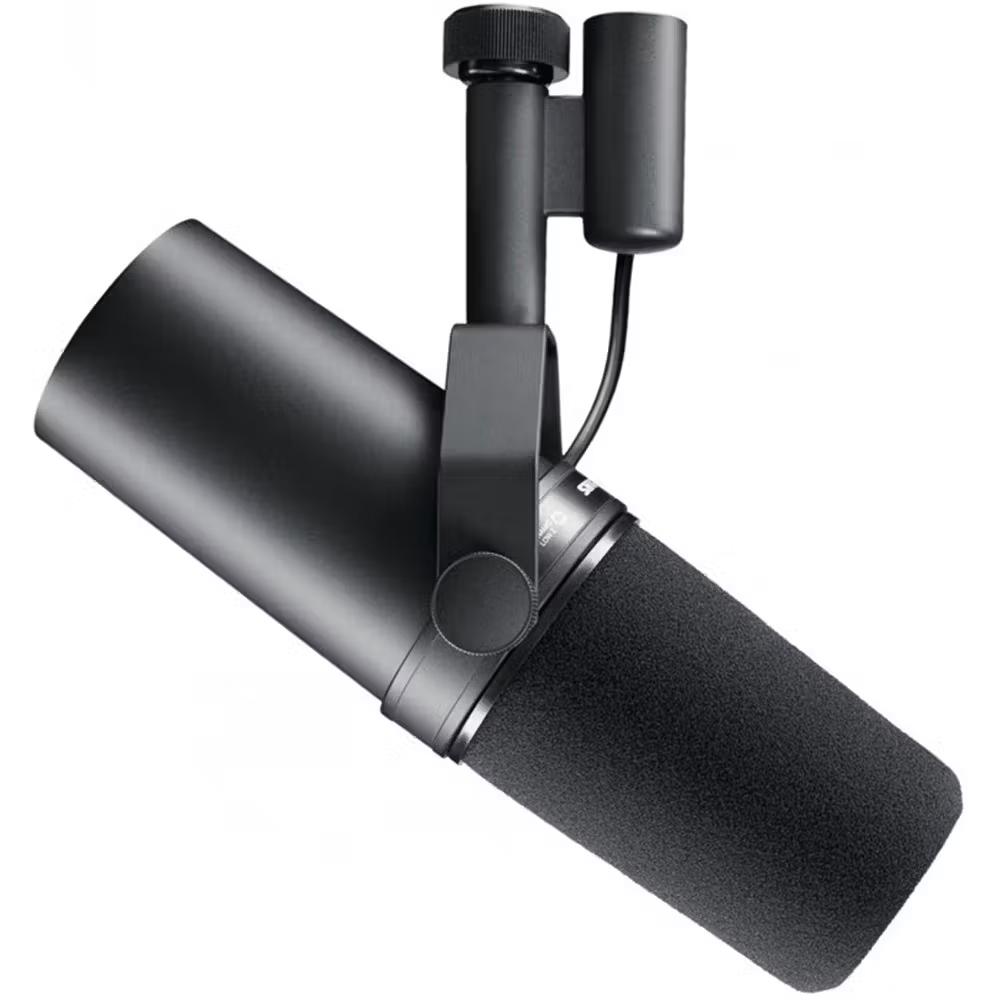
The Shure SM7B is a broadcast and podcasting standard for good reason. It's forgiving of untreated rooms, handles loud voices without distorting, and delivers a warm, radio-ready tone straight out of the mic.
What Is a Condenser Microphone?
A condenser microphone uses two electrically charged plates that move relative to each other as sound hits them, requiring external power (usually 48V phantom power) to operate. That extra sensitivity is what gives condensers their detailed, accurate sound.
Condensers pick up more nuance and high-frequency detail than dynamic mics, which makes them the first choice for studio vocals, acoustic guitar, and anywhere subtle detail matters. The trade-off is that this same sensitivity picks up more room noise, so condensers work best in a quiet or acoustically treated space.
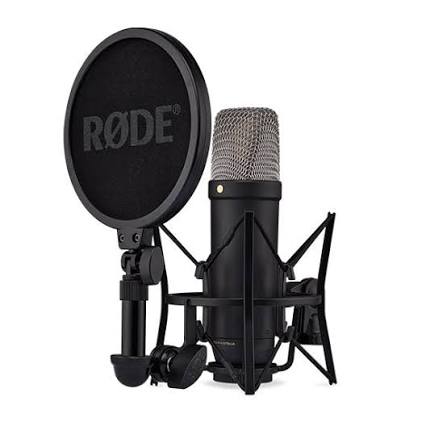
The Rode NT1 Signature Series has been one of the world's most popular studio condensers for over 30 years, and it remains a go-to for home studios and professional vocal booths alike.
What Is a Ribbon Microphone?
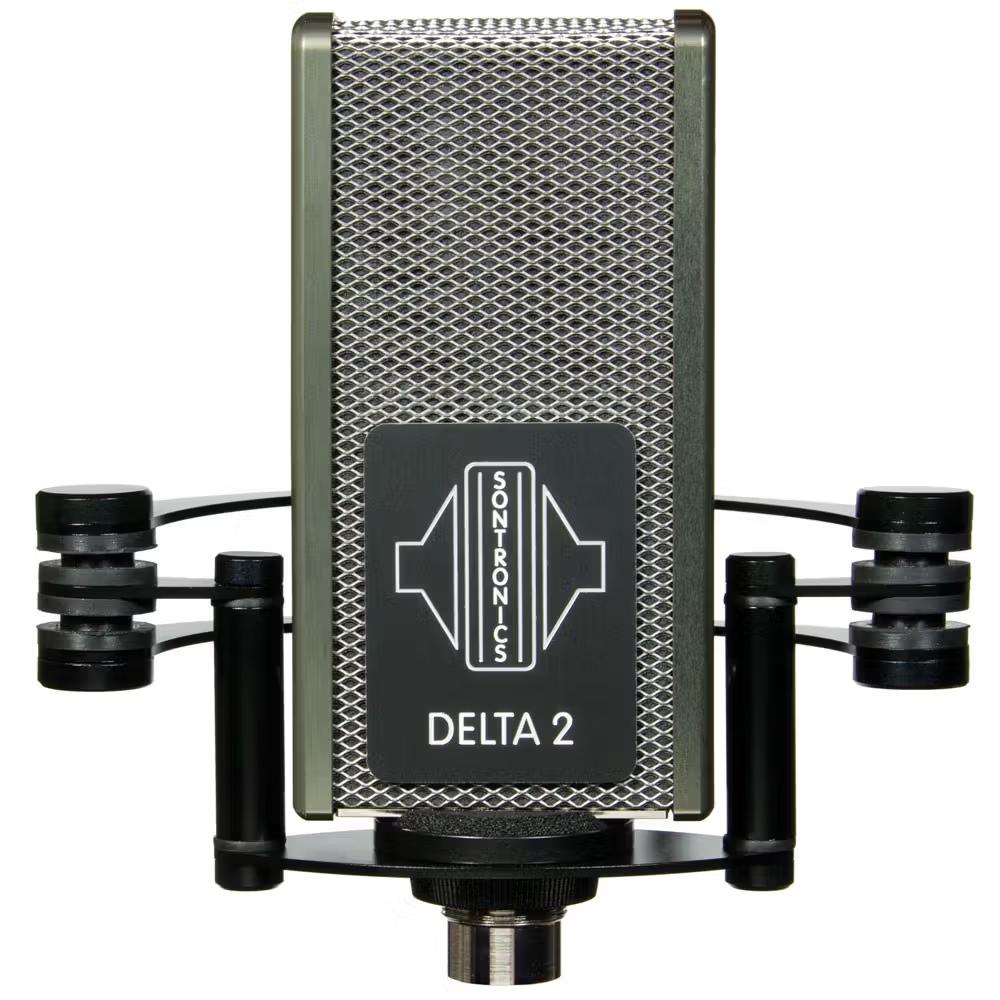
A ribbon microphone uses a thin strip of electrically conductive material suspended between magnets, and the ribbon's movement in that magnetic field generates the signal. This design produces a naturally smooth, warm sound that condensers and dynamics can't quite replicate.
Ribbon mics have been around since the 1920s and are prized for brass, vocals, and other instruments where a rounded, vintage character is the goal. They're more fragile than other mic types and typically need a clean preamp with plenty of gain, which is why you'll mostly find them in studio settings rather than on stage.
If you're chasing that classic ribbon warmth, our team can walk you through Mannys' ribbon microphone range in store to find the right fit for your voice or instrument.
What Is a USB Microphone?
A USB microphone has a built-in audio interface, converting sound directly into a digital signal your computer can read, with no separate interface or mixer required. That makes USB mics the simplest way to get a decent recording into a computer.
USB mics are the easiest entry point for podcasting, streaming, and voice calls, since they're plug-and-play on most systems. They won't match the flexibility of an XLR condenser and outboard preamp, but for a huge range of home setups, that flexibility isn't necessary.
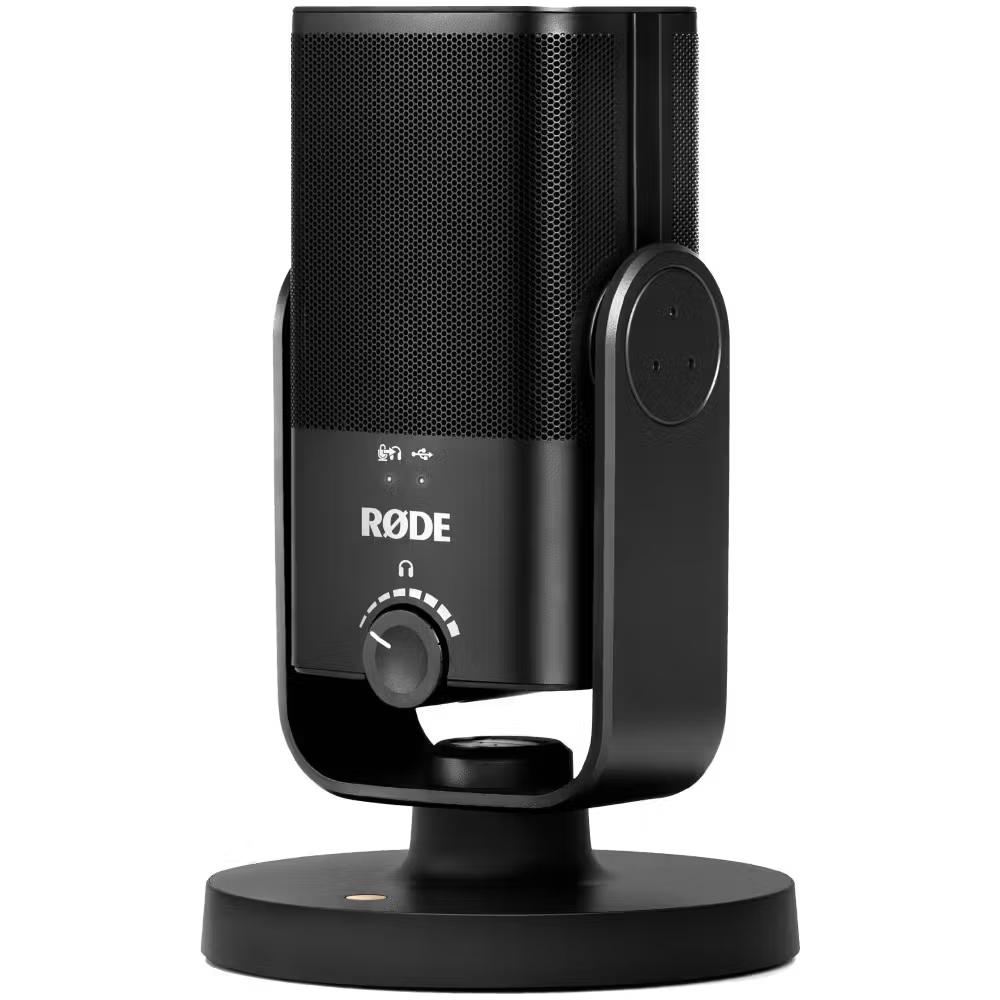
The Rode NT-USB Mini packs a studio-quality cardioid condenser capsule, a built-in pop filter, and zero-latency headphone monitoring into a compact, plug-and-play package, which makes it a strong first mic for podcasting or streaming.
What Is a Lavalier Microphone?
A lavalier (or lapel) microphone is a small clip-on mic designed to be worn on clothing, keeping the capsule close to the mouth while staying out of frame for video. The trade-off for that hands-free convenience is a smaller capsule, which generally means less low-end warmth than a full-size mic.
Lavaliers are the standard choice for presentations, interviews, theatre, and video where a handheld or boom mic isn't practical. They're also a natural fit for houses of worship and events where consistent, hands-free audio matters more than studio-grade tone.
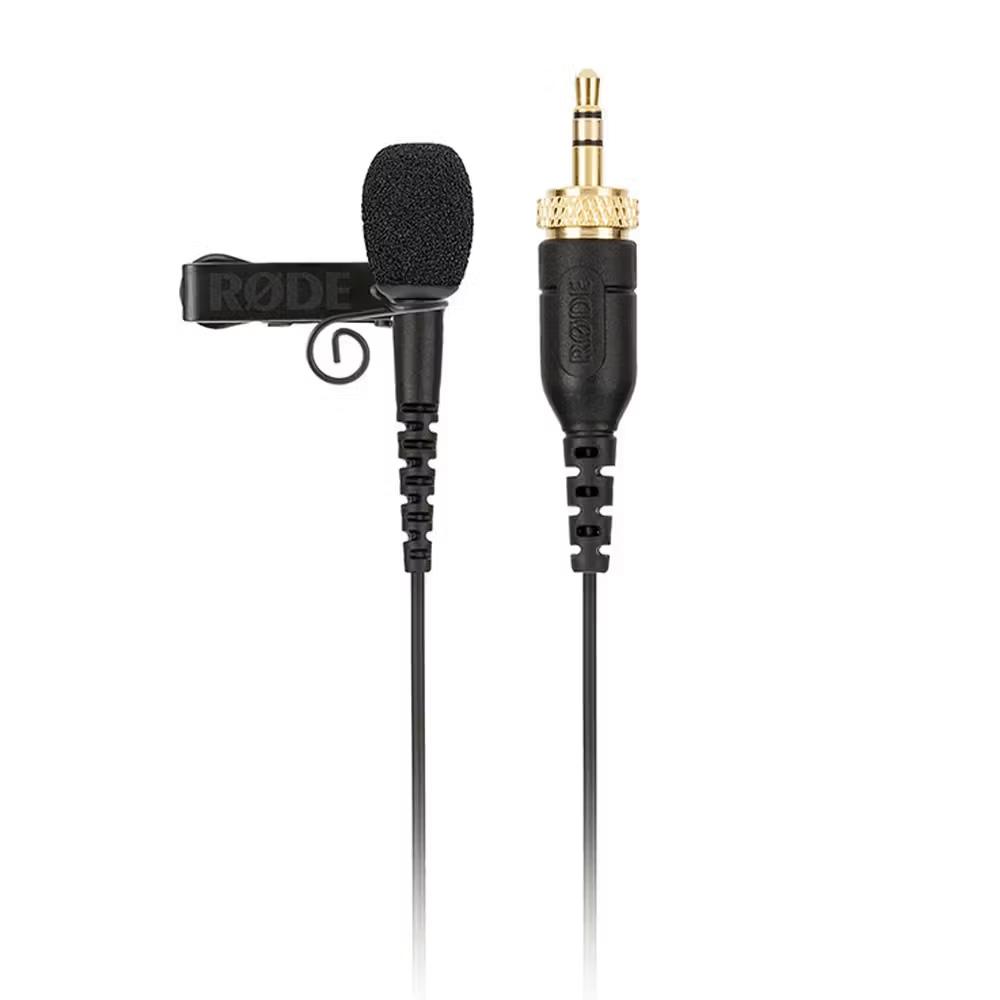
The Rode Lavalier II is a premium option built for broadcast-quality audio in exactly these situations, from film and television to live presentations.
What Is a Shotgun Microphone?
A shotgun microphone uses a long interference tube to create a highly directional pickup pattern, rejecting sound from the sides while capturing whatever it's pointed at. That directionality is what makes shotgun mics the standard for film, video, and broadcast.
Shotgun mics excel at isolating dialogue or a specific sound source in a noisy environment, which is why you'll see them mounted on boom poles or camera rigs rather than handheld. They need to be aimed accurately, since anything outside the pickup pattern gets rejected along with the noise.
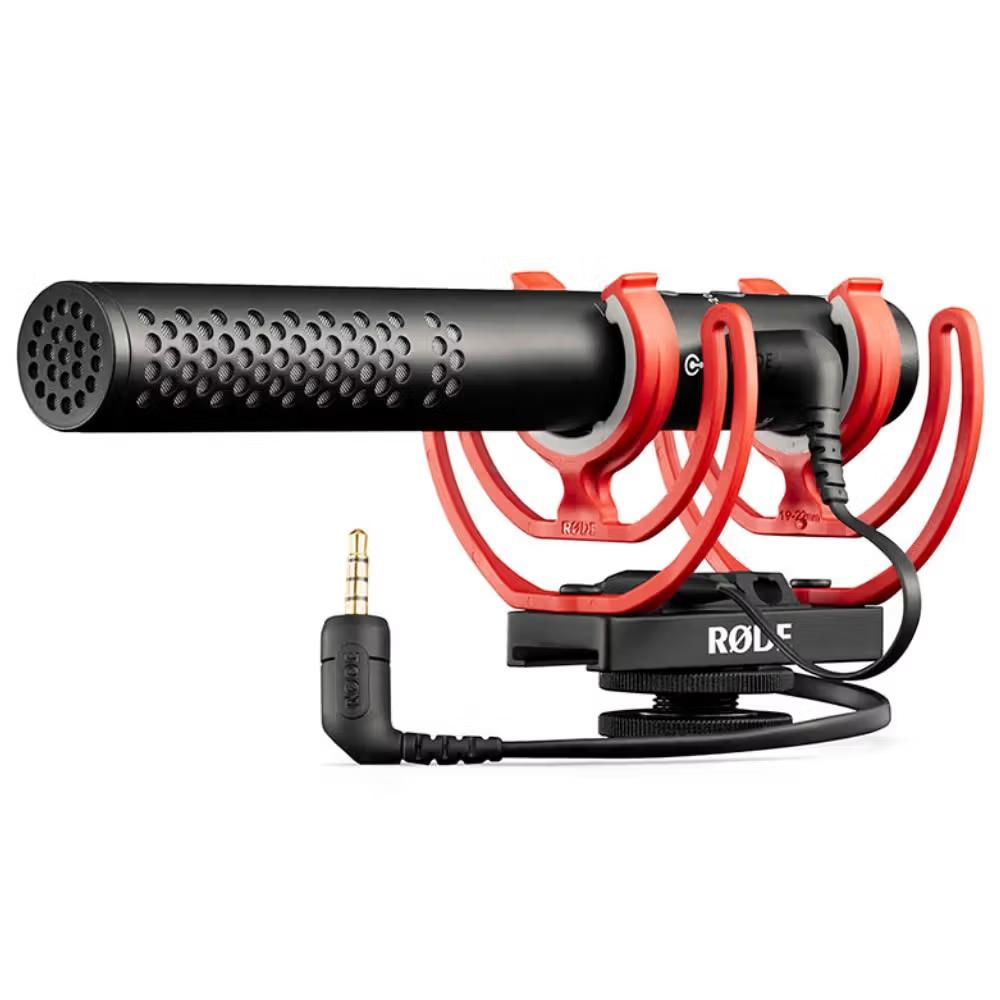
The Rode NTG5 is a lightweight broadcast shotgun mic built for exactly this kind of demanding, on-location work.
Frequently Asked Questions
A dynamic microphone generates its own signal from a moving coil and needs no external power, which makes it rugged and forgiving of loud sources and untreated rooms. A condenser needs phantom power and is far more sensitive, capturing more detail but also more room noise.
Dynamic and USB microphones are the two most common choices for podcasting. A dynamic mic like the Shure SM7B suits untreated rooms and forgives inconsistent mic technique, while a USB mic like the Rode NT-USB Mini is the simplest way to get started without an audio interface.
Yes, almost all condenser microphones need 48V phantom power to operate, supplied by an audio interface, mixer, or dedicated power supply. Dynamic and ribbon mics generally don't need it, though some active ribbon models do.
A quality USB microphone can produce professional-sounding results for podcasting, streaming, and voice work. For music production or broadcast work needing more flexibility, an XLR mic through a dedicated audio interface still offers more control over gain and signal chain.
A lavalier clips onto clothing and moves with the speaker, ideal for presentations and video where the mic needs to stay out of frame. A shotgun mic stays off the subject entirely and uses a directional pickup pattern to isolate sound from a distance, which is why it's mounted on booms or cameras instead.
Find Your Next Microphone
There's no single best microphone, only the best microphone for what you're recording and where you're recording it. If you want help matching a mic to your voice, instrument, or setup, talk to our audio specialists in-store or online.
Setting Up to Record?
Choosing your microphone is step one. Our guides to starting a podcast with Audacity or GarageBand and recording multiple people at once walk through the rest of the setup, from software to multi-input recording.